By Stephanie Stephens, YRK Water Quality Advocate
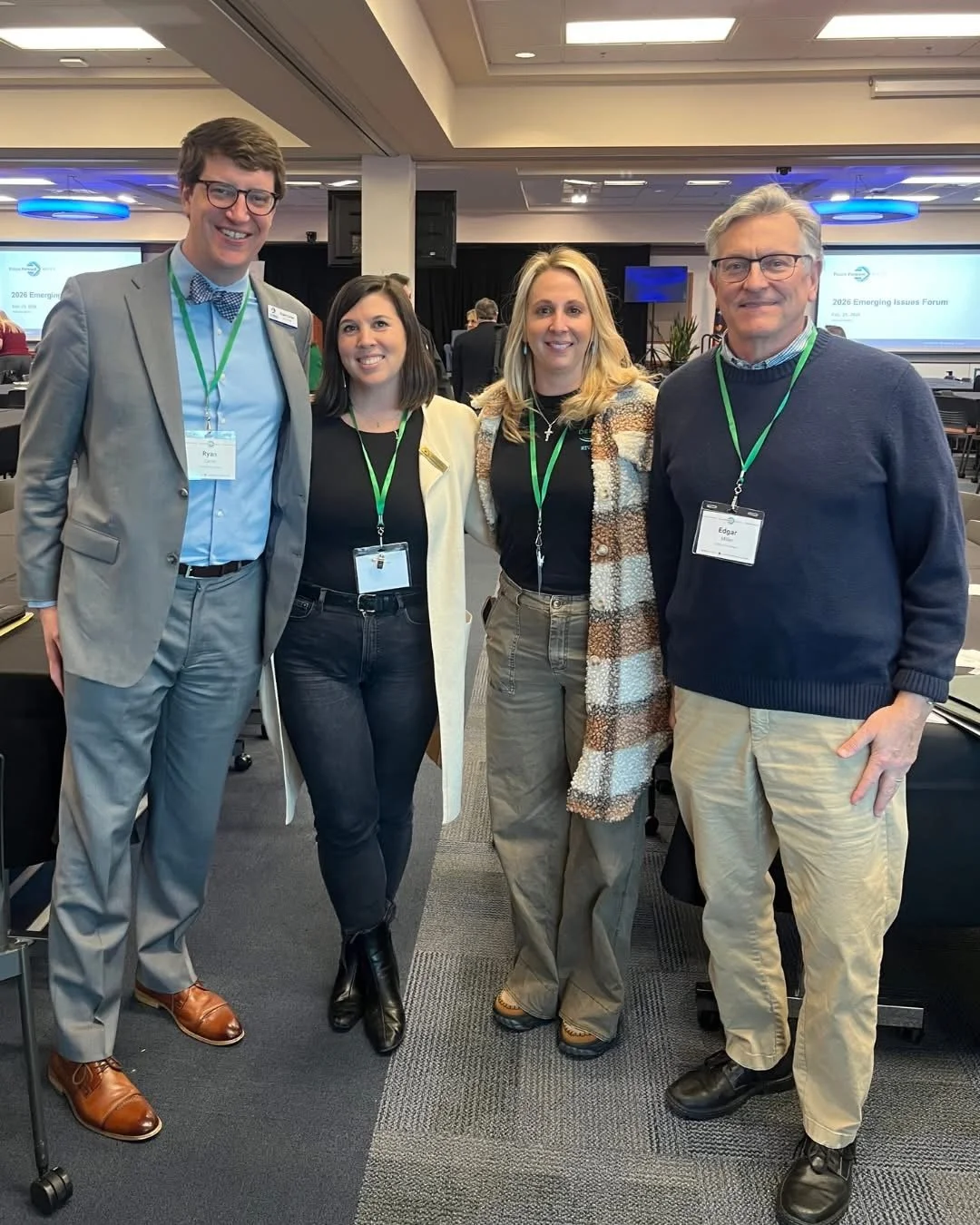
Every year, the NC State Institute for Emerging Issues hosts a forum and this year, it was on water! There could not be a more imminent concern in our great state of North Carolina; we are facing greater water demand, water quality impairments, larger and more frequent storm events that put enormous pressure on our surface waters, utility systems, and infrastructure. Attendees from water servicing, providing, treating, distributing, consuming and protecting came together to discuss the future of water quality in our region and the workforce that manages it.
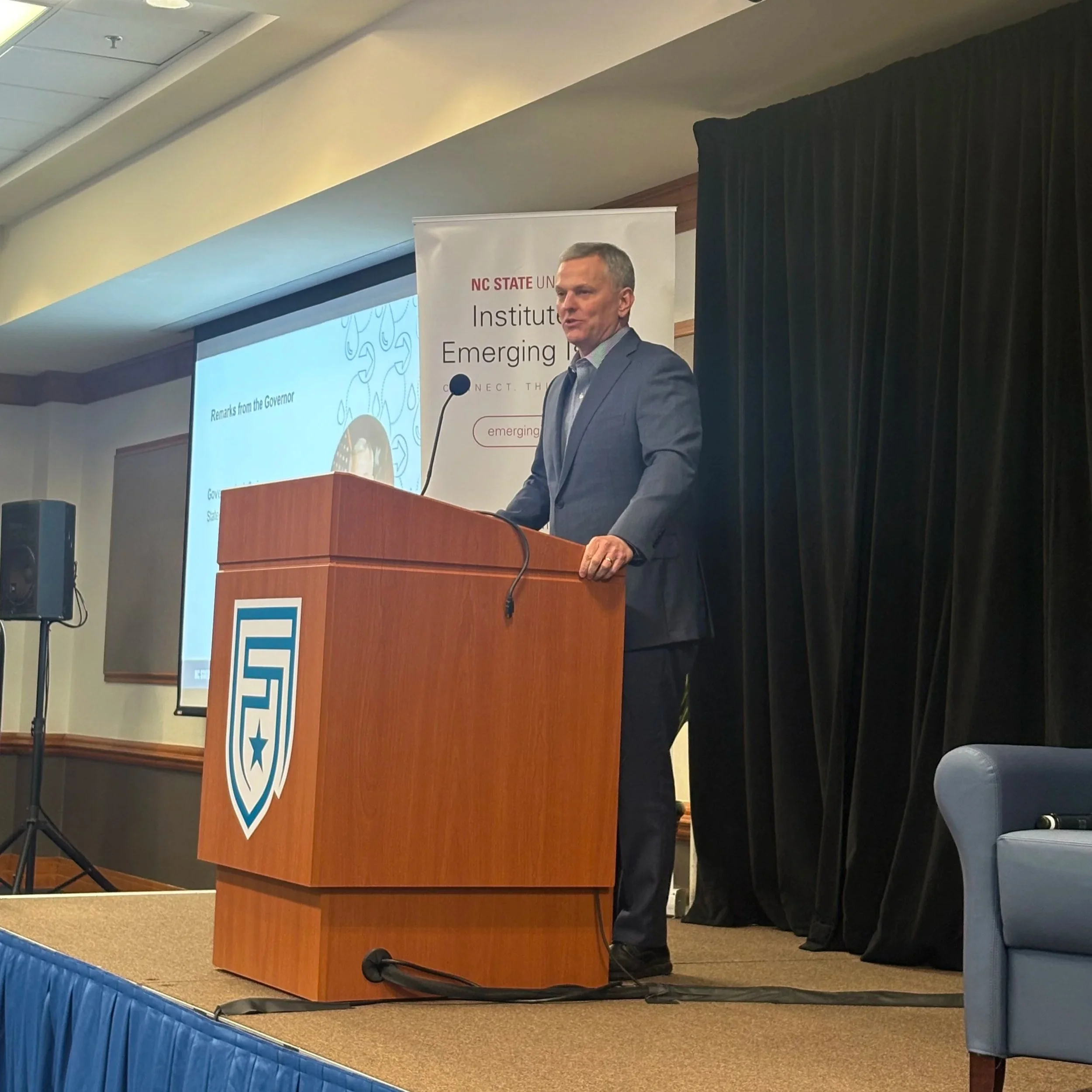
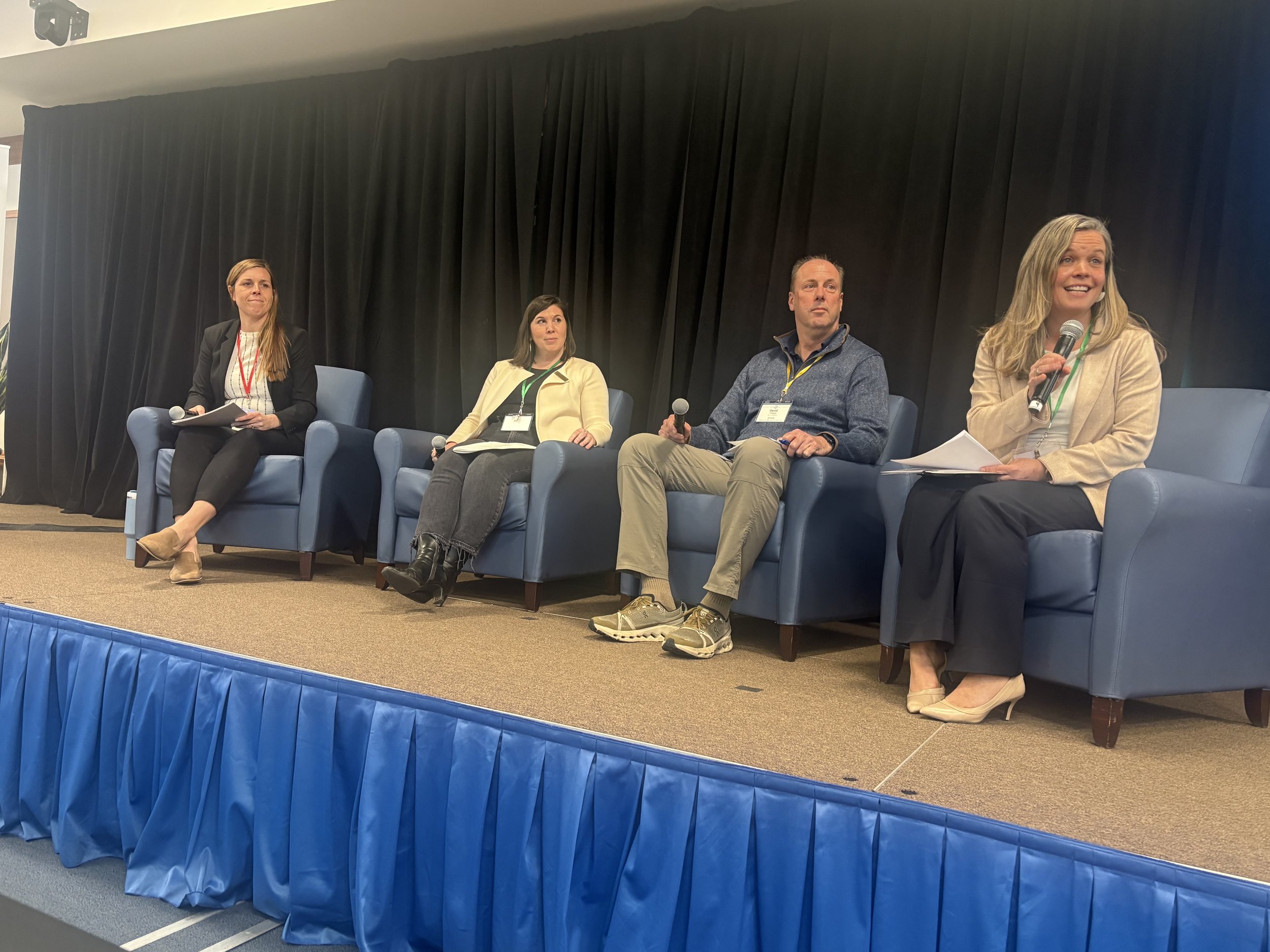
We learned from Governor Josh Stein, who was in attendance, that North Carolina is the state that more people moved to than anywhere else in the U.S last year. We also have some of the lowest ratings for water quality and water treatment facilities. We have created more jobs than ever before, however the water treatment and management workforce needs to be strengthened with young professionals who come to the field and stay long-term. This conference featured many panels, discussing water consumption and demand, interbasin transfers, future preparedness for catastrophic flooding events, and how to “make water sexy” to attract young professionals. As experts in the field of water and wastewater treatment, stormwater management and infrastructure design age out of the workforce, their decades of experience go with them. Creating more technical school programs for water treatment, offering better pay and benefits in the career field and surely, more recognition for the difficult job of providing clean and safe water and wastewater is the pathway to solving this issue, the collective in attendance thinks! Many of our behind the scenes utilities operators are unsung heroes. We also learned how partnerships across county boundaries, through the unification of utilities and municipalities, can strengthen and protect rural areas from over development or development of regions that do not have the capacity to provide water. We learned that density planning is very important to sustainable living.
Riverkeeper organizations were also present at this forum and offered the unique perspective by representing local communities who will eventually face higher rates as new technologies are implemented in our drinking water and wastewater facilities to treat synthetic chemicals like PFAS. Speaking out that industries who generate these chemicals in their processes, should have higher pretreatment standards and water rates, was an important point. Another important point brought by Riverkeepers, is that families throughout the Piedmont region who are on well water and septic systems do not have access to state or federal funds to repair aging or damaged systems; well water is not routinely tested for synthetic chemicals by the state and is not protected by the Safe Drinking Water Act. In the circumstance of a large storm event and major flooding, wells are compromised and families are not only out of safe drinking water but they bear the burden of repairing their well, which could cost up to $50,000. Highlighting this issue at this forum was a very important task. Yadkin Riverkeeper, Deep River Riverkeeper, Haw River Assembly and Catawba Riverkeeper were all present at this event in Winston-Salem. Statewide, there were three forums, the others were in Asheville, NC and Morehead City, NC with Waterkeeper representation from Mountain True, Cape Fear Riverwatch, Coastal Carolina Riverwatch, White Oak Waterkeeper and Sound Rivers.